Queue Management System in Lahore and Drive-Thru Tech 2026
Service businesses in Lahore and across the Gulf are racing to fix the same problem from two different angles in 2026: how do you serve more people, faster, without hiring an army of extra staff? In Lahore’s crowded bank branches, telecom centers, and hospitals, the answer has been a modern queue management system in lahore. In Riyadh’s fast-growing quick-service restaurant scene, the equivalent breakthrough has come from smarter drive-thru technology. Both trends point to the same underlying shift — customers now judge a business almost entirely on how little time they waste.
What makes 2026 different from a few years ago is affordability. Digital queuing and drive-thru headset systems that once only made financial sense for large multinational chains are now within reach of mid-size local operators in both Pakistan and Saudi Arabia, which is why adoption has accelerated so quickly this year.
Why Lahore’s Service Counters Needed a Digital Fix
Anyone who has stood in a bank line in Lahore during the first week of a month, when salaries clear and branches fill up, knows the problem firsthand. Paper token systems break down under volume, counters get called out of order, and customers lose track of their position entirely. The frustration is not just about time — it is about fairness, since a disorganized line almost always produces complaints about people being served out of turn.
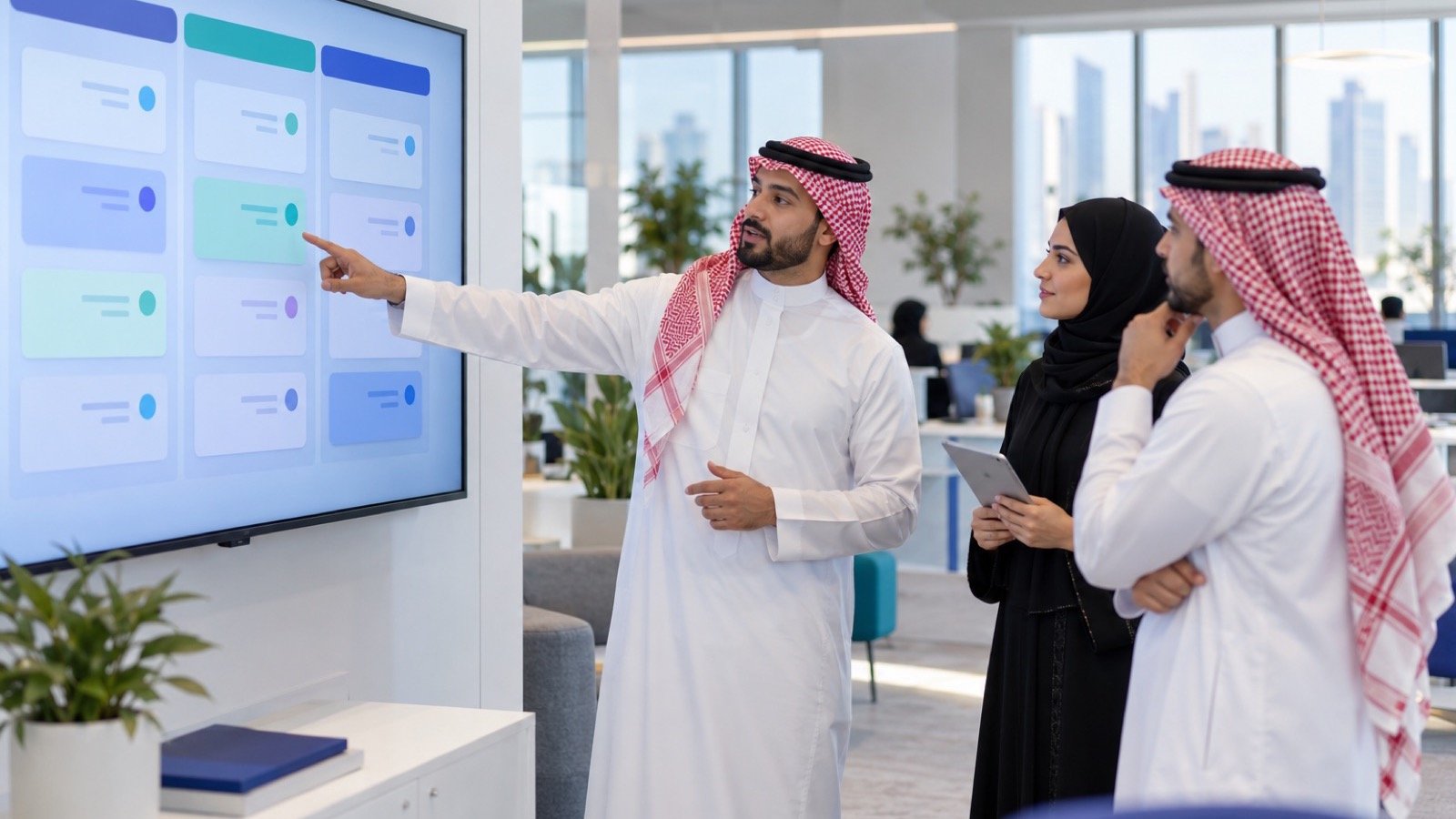
A proper queue management system in Lahore solves this with digital tickets, visible counters, and an auditable log of service order, which also protects staff from false accusations of favoritism.
What Does a Queue System Change for Staff, Not Just Customers?
It is easy to focus only on the customer side, but the staff experience improves just as much. Counter employees no longer have to shout numbers over a noisy lobby or manually track who is next, which reduces daily stress and lets them focus on actually resolving each customer’s request faster.
Meanwhile in Riyadh: The Drive-Thru Boom
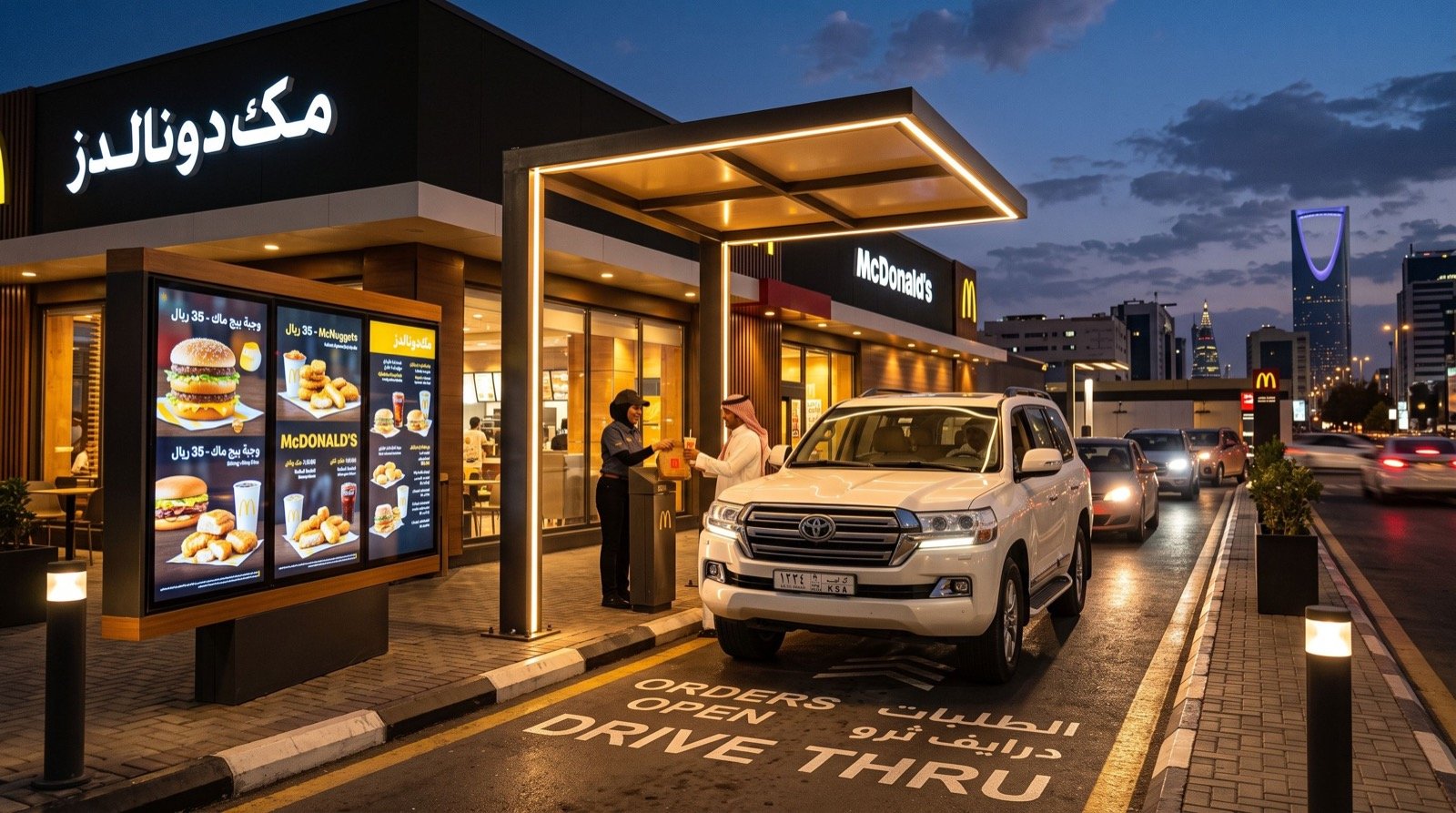
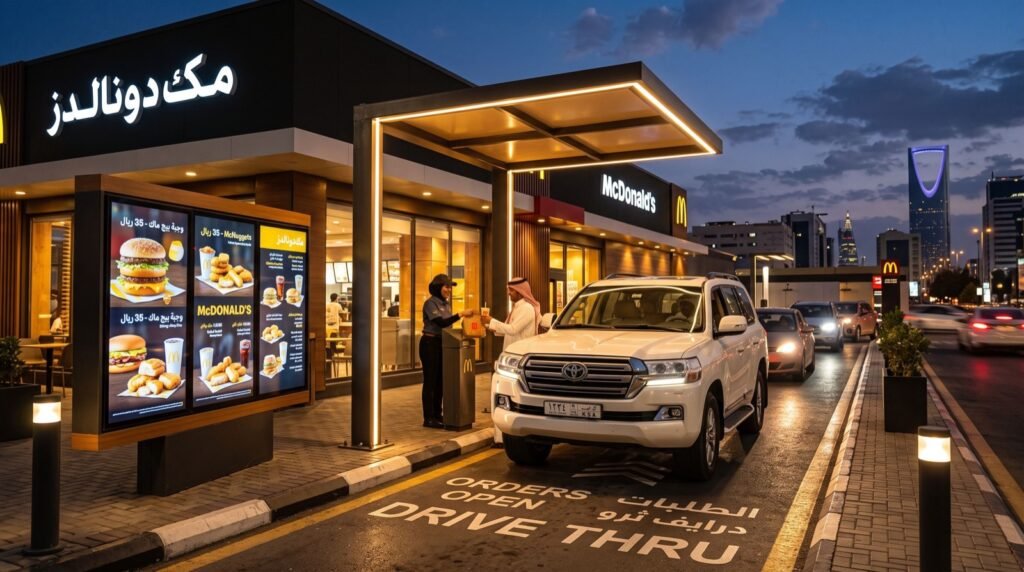
Quick-service restaurants in Riyadh have exploded in number over the past three years, and drive-thru lanes have become the single highest-volume sales channel for many of them. The bottleneck is no longer the kitchen — it is communication. A noisy, poorly configured headset system at the order point creates mistakes, repeated orders, and slower car throughput, all of which directly cost revenue during peak hours.
This is where dedicated drive-thru communication hardware earns its cost back quickly. A properly installed HME Drive Thru in Riyadh setup gives order-takers clear, low-latency audio even with multiple lanes running simultaneously, which keeps average car time down during the evening rush that most Riyadh QSR locations now depend on for a large share of daily revenue.
Comparing the Two Technologies Side by Side
| Factor | Queue Management (Lahore) | Drive-Thru System (Riyadh) |
|---|---|---|
| Primary goal | Fair, organized indoor service order | Fast, accurate order-taking at speed |
| Core hardware | Ticket kiosk, display, call unit | Headsets, base station, speaker post |
| Main pain point solved | Disorganized lobby lines | Noisy, miscommunicated orders |
| Typical ROI driver | Fewer complaints, better staff focus | Higher car throughput per hour |
Steps to Evaluate Which Technology Your Business Needs
- Map your actual bottleneck first — is it the waiting line, the order-taking process, or both?
- Check peak-hour data for the last three months before choosing hardware capacity.
- Ask vendors for reference installations in a similar climate and traffic volume, not just generic brochures.
- Budget for staff training time, since even simple systems need a short adjustment period.
- Plan for maintenance and spare parts locally, rather than relying on slow cross-border shipping for replacement units.
Working With Providers Who Understand Both Markets
Lahore and Riyadh operate under different regulatory and climate conditions, but the underlying service-efficiency problem is identical, and so is the need to work with vendors who have actually delivered projects in both environments rather than theorizing from a sales deck. Businesses expanding across these markets have consistently found better outcomes by partnering with quality service providers who coordinate logistics, installation, and after-sales support without passing customers between multiple disconnected vendors.
What Happens When Businesses Delay the Upgrade?
Operators who postpone modernizing their customer-flow process rarely notice the cost directly — it shows up indirectly, in reviews mentioning “long wait” or “rude staff” when the real issue was a disorganized line rather than genuine rudeness. Staff under pressure from an unmanaged crowd tend to sound shorter with customers, even when they are trying their best, and that tone gets reflected in public ratings.
In Riyadh specifically, QSR brands that delayed drive-thru upgrades through 2024 and 2025 reported losing measurable evening-rush revenue to competitors down the same road with faster lanes, since drivers in a hurry simply move on to whichever option looks less congested from the street.
Budgeting Realistically for Either Upgrade
Owners evaluating either investment should resist the temptation to buy the cheapest available hardware. A queue kiosk or headset base station that fails within the first year erases any savings almost immediately once you factor in replacement cost, lost sales during downtime, and the staff time spent troubleshooting a flaky unit during a busy shift.
A more realistic approach treats the purchase as a three-to-five-year asset, budgeting modestly for annual maintenance and a spare unit or two kept on-site, rather than assuming the first installation will run trouble-free indefinitely.
Frequently Asked Questions
How long does it take to install a queue management system in Lahore for a single branch?
Most single-branch installations, including staff training, are completed within a week to ten days once hardware arrives on site, assuming the network and power infrastructure are already in place.
Can drive-thru headset systems handle multiple lanes at once?
Yes, modern base stations are designed to manage several lanes and multiple headsets simultaneously without audio crossover, which is essential for high-volume QSR locations running dual lanes during rush periods.
Is a digital queue system worth it for a smaller branch with only two counters?
Even small branches benefit if peak-hour crowding is a recurring problem, since the main value is fairness and reduced staff stress rather than sheer scale, though the cost-benefit case is strongest for busier locations.
What causes most drive-thru order mistakes before a system upgrade?
Background noise, low-quality headsets, and weak speaker-post audio are the most common culprits, and addressing all three together tends to produce far better results than replacing just one component.
Final Thoughts
Whether the challenge is an overcrowded bank lobby in Lahore or a backed-up drive-thru lane in Riyadh, the lesson for 2026 is the same: customers reward speed and fairness, and they punish disorganization fast through reviews and repeat-visit drop-off. Investing in the right queue management system in Lahore or drive-thru communication setup is no longer a luxury reserved for big chains — it is becoming the baseline expectation across the service industry in both markets.