
ZATCA E-Invoicing: Connect Your CRM, Quotes and Invoices in 2026
Most Saudi sales teams still treat quotations, customer records and tax invoices as three separate jobs. That gap costs time and creates errors. ZATCA e-invoicing works far better when the deal, the customer and the invoice live in one connected system. This guide shows how a Saudi SME can link its pipeline to compliant billing, cut re-keying, and stay ready for the Fatoora platform in 2026.
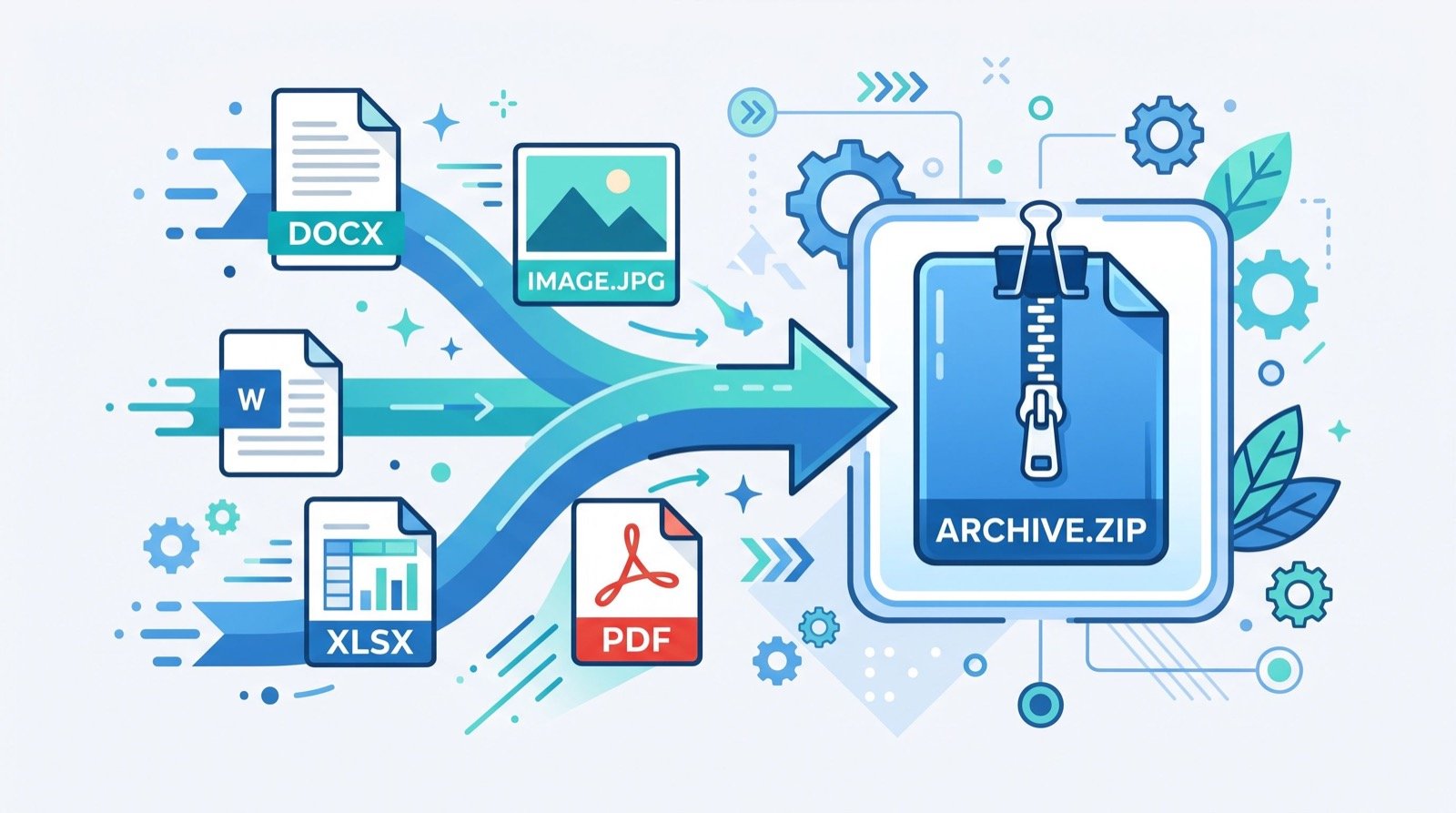
The idea is simple. A salesperson wins a deal, the quote becomes an order, and the order becomes a cleared or reported tax invoice without anyone copying numbers by hand. When those steps share one database, your VAT at 15% is calculated once and carried through cleanly.
Why ZATCA e-invoicing belongs next to your CRM
In Saudi Arabia the e-invoicing programme runs in two phases. Phase 1, the Generation phase, started on 4 December 2021 and required structured electronic invoices instead of handwritten or simple PDF bills. Phase 2, the Integration phase, has rolled out in waves since 1 January 2023, grouped by annual revenue threshold. In Phase 2 your system connects to the Fatoora platform.
Here is the practical point. The invoice data starts in the sales process. The customer name, VAT registration number, line items and prices are all captured when you build the quotation. If that data already sits in your CRM, the invoice almost writes itself. If it sits in a spreadsheet or a salesperson’s notebook, someone retypes it, and every retype is a chance to break compliance.
Standard versus simplified invoices
Your CRM should know which document each customer needs. Standard tax invoices, used for B2B sales, are cleared by ZATCA before you send them to the buyer. Simplified tax invoices, used for B2C sales, are reported to ZATCA within 24 hours and carry a QR code for the customer. A connected system picks the right path based on the customer type stored against the deal.
From lead to cleared invoice: the connected flow
Picture a maintenance contractor in Riyadh closing a service contract. With a joined-up platform the flow looks like this:
- The lead enters the CRM with full contact and VAT details.
- The sales rep builds a quotation using saved products and the 15% VAT rate.
- The customer approves, and the quote converts to an order with no re-keying.
- The system issues a compliant XML invoice, clears or reports it through Fatoora, and stores the result.
- Finance sees the paid or outstanding status against the same customer record.
Teams that run this flow spend less time reconciling and more time selling. If you want a tool that keeps the pipeline and the billing together, look for the best CRM in Saudi Arabia that also handles compliant invoicing, rather than bolting two products together.
What a compliant invoice actually contains
Under ZATCA rules an electronic invoice is a structured file, either XML in the UBL 2.1 format or PDF/A-3 with embedded XML, protected by a cryptographic stamp. It is not a scanned image or a plain PDF. Simplified invoices also show a QR code so a customer can verify them. Your software should generate these fields automatically from the order data.
What should a connected platform give a Saudi SME?
When you compare options, check how deeply the CRM and the invoicing talk to each other. The table below lists what a disconnected setup costs versus a connected one.
| Task | Separate tools | Connected platform |
|---|---|---|
| Customer VAT details | Retyped per invoice | Entered once, reused |
| Quote to invoice | Manual copy | One click conversion |
| ZATCA clearance or reporting | Separate upload | Automatic via Fatoora |
| Payment status | Checked in a spreadsheet | Visible on the deal |
| Reporting | Merged by hand | One dashboard |
A single platform can manage customers, quotations, VAT invoices, support tickets, complaints and maintenance requests together. That matters because your customer relationship does not end at the invoice. The same record should carry the after-sales conversation too.
Common mistakes to avoid
- Storing VAT numbers in open text fields where typos hide.
- Issuing a simplified invoice to a business buyer who needs a standard one.
- Treating a plain PDF as a compliant e-invoice.
- Leaving the sales team and finance on different tools that never sync.
- Waiting until your Phase 2 wave arrives before testing integration.
Moving house or relocating an office gives a useful parallel. You would hire reputable service experts rather than improvise, because planning beats panic. The same logic applies to e-invoicing. Prepare early, test with real data, and avoid a last-minute scramble when your integration wave is announced.
Preparing for your Phase 2 wave in 2026
ZATCA announces integration waves by revenue threshold, so your deadline depends on your turnover. Do not guess the date. Check ZATCA’s current wave announcements and confirm when your business is in scope. You can read the official programme detail on the ZATCA e-invoicing page.
While you wait for your wave, clean your data. Make sure every customer has a correct VAT number, every product has the right tax treatment, and your team knows the difference between standard and simplified documents. A connected CRM makes that cleanup easy because the data lives in one place.
Frequently Asked Questions
Does ZATCA e-invoicing require me to change my CRM?
Not always, but it helps. If your CRM cannot pass clean customer and line-item data to a compliant invoicing engine, you will keep retyping information. A platform that joins both reduces errors and speeds up clearance and reporting.
What is the difference between clearing and reporting an invoice?
Standard B2B invoices are cleared by ZATCA before you send them to the buyer. Simplified B2C invoices are reported to ZATCA within 24 hours and carry a QR code. Your system should choose the correct route based on the customer type.
How does Daftarix relate to ZATCA?
Daftarix is a cloud business platform that helps you manage customers, quotations and compliant VAT invoices in one place. For the current list of requirements, always check ZATCA’s own announcements.
When is my Phase 2 deadline?
Phase 2 integration has rolled out in waves since 1 January 2023, grouped by revenue threshold. Confirm your specific wave on ZATCA’s current announcements rather than assuming a fixed date.
Conclusion
Compliance is easier when your sales and finance data share one home. Connect the CRM, the quotation and the invoice, and ZATCA e-invoicing becomes a byproduct of normal work rather than a separate chore. Clean your data now, confirm your wave, and test with real customers. If you want to see a connected platform in action, book a demo and watch a lead turn into a cleared invoice without a single retype.